June 12, 2026
Modern infrastructure depends on many systems that most people rarely notice until something goes wrong. Roads, parking lots, commercial developments, residential neighborhoods, and industrial properties all rely on effective drainage to manage rainfall and runoff. Without properly functioning systems in place, water can quickly become destructive, damaging structures, disrupting transportation, and creating long-term environmental concerns. That is why property owners, municipalities, and facility managers continue to prioritize reliable stormwater management as part of broader infrastructure planning.
Heavy rainfall events and expanding urban development have increased pressure on drainage systems throughout the country. According to America's Infrastructure Report Card, flooding in urban areas causes more than $9 billion in damage every year. These losses highlight the importance of consistent inspections, repairs, and preventative care designed to keep drainage infrastructure functioning properly. Professional stormwater maintenance services help reduce these risks while supporting the long-term performance of critical infrastructure systems.
The Role of Drainage Systems in Infrastructure Stability
Protecting Roads, Parking Areas, and Foundations
Stormwater infrastructure plays a direct role in preserving the structural integrity of developed properties. Water that is not properly directed away from paved surfaces and foundations can gradually weaken materials, create cracks, and contribute to settlement issues. Over time, even minor drainage problems can evolve into extensive structural concerns that require expensive repairs and prolonged disruptions.
Parking lots often provide one of the clearest examples of how unmanaged runoff affects infrastructure. Standing water can deteriorate asphalt surfaces, create potholes, and weaken subgrade materials beneath the pavement. Similar issues affect sidewalks, curbs, and roadways when drainage systems become clogged or damaged. Regular inspections and repairs help ensure runoff moves efficiently through catch basins, pipes, and detention systems before deterioration accelerates.
Building foundations also depend on proper water management. Excess moisture surrounding a structure can increase hydrostatic pressure against walls and footings, potentially leading to cracks, leaks, and instability. Professional stormwater maintenance services help identify drainage failures before they threaten nearby structures. Property owners who invest in preventative care often avoid larger restoration costs associated with water intrusion and structural damage.
Reducing the Risk of Flooding and Water Accumulation
Flooding creates operational, financial, and safety concerns for commercial and residential properties alike. When drainage systems cannot handle runoff effectively, water accumulates rapidly across paved surfaces and landscaped areas. This can interrupt daily operations, restrict accessibility, and create hazardous conditions for drivers and pedestrians.
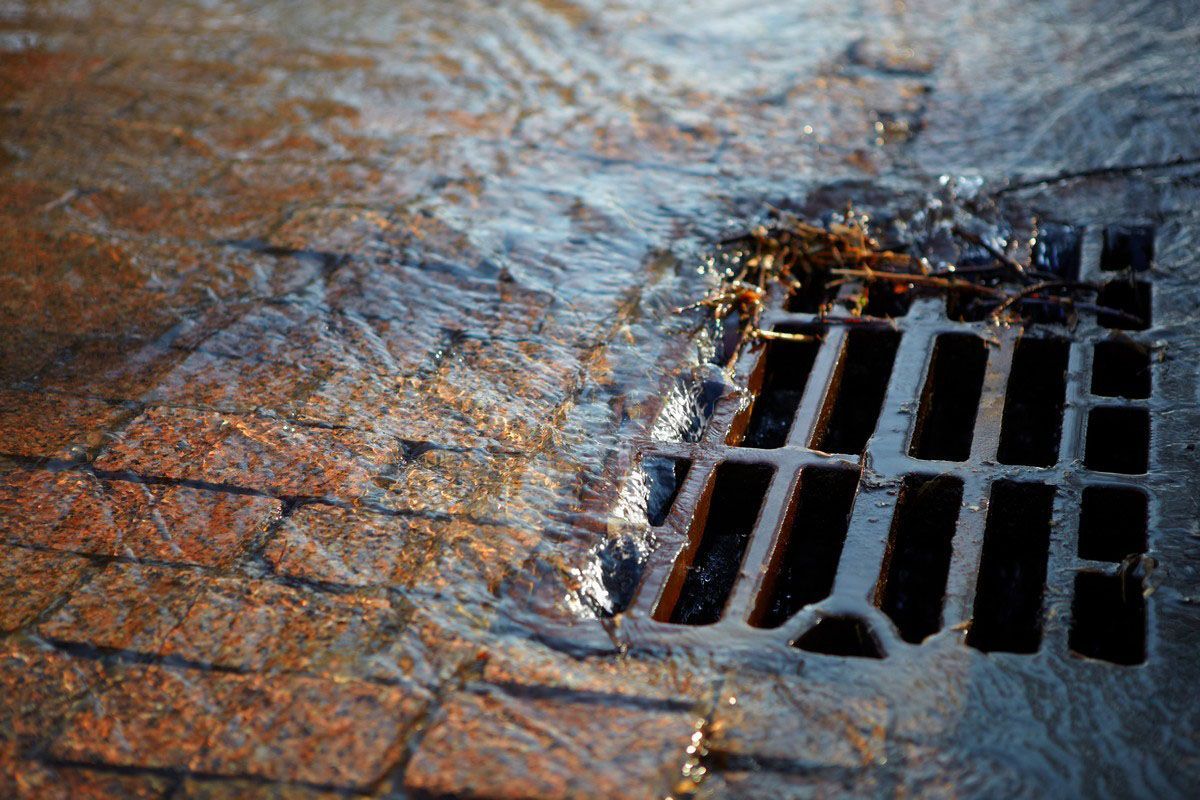
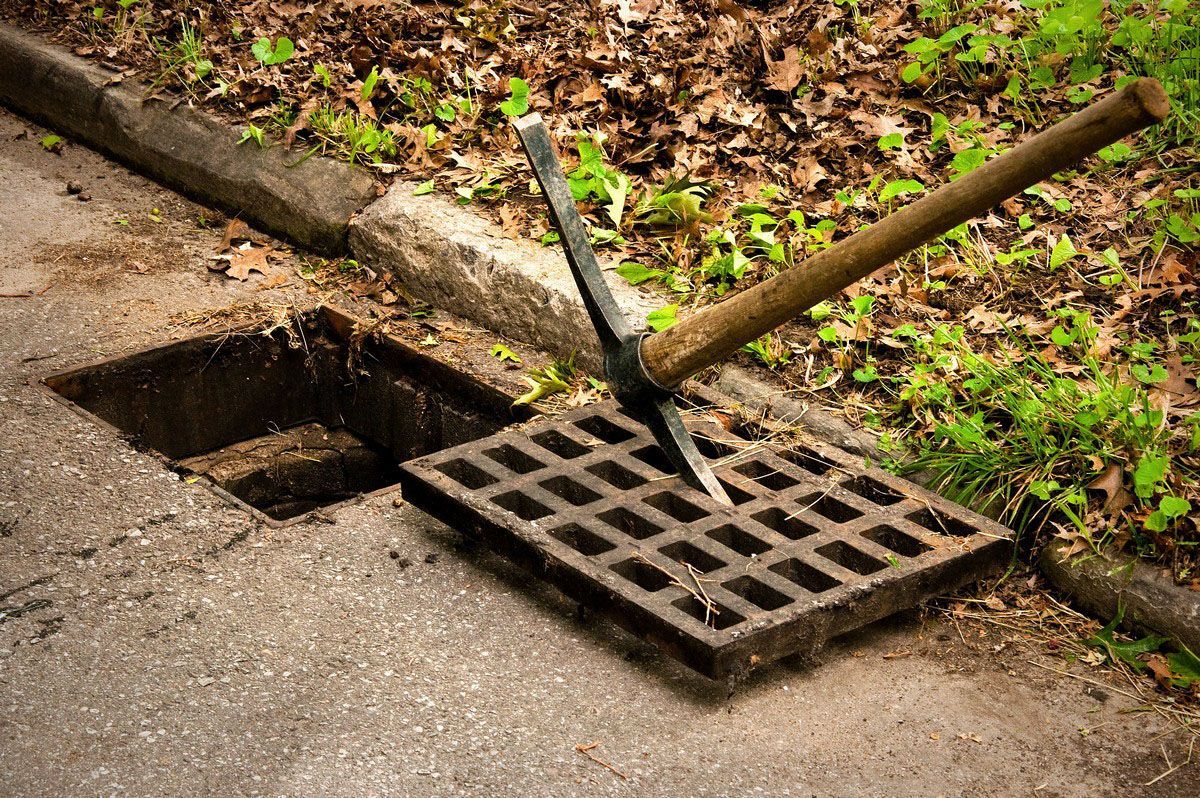
Catch basins, culverts, storm drains, and underground piping systems all require ongoing attention to function properly during periods of heavy rainfall. Debris buildup, sediment accumulation, pipe deterioration, and structural defects can reduce system capacity and prevent water from flowing as intended. Professional maintenance programs help address these issues before severe weather exposes system weaknesses.
Flood prevention also extends beyond individual properties. One neglected drainage system can affect neighboring areas by redirecting runoff into surrounding streets, businesses, or residential developments. Coordinated stormwater maintenance services contribute to broader community resilience by reducing pressure on interconnected infrastructure systems. In densely developed areas, this level of protection becomes especially important during major storm events.
Why Compliance and Environmental Protection Matter
Supporting Water Quality and Environmental Health
Stormwater runoff carries a wide range of pollutants that can affect nearby waterways and ecosystems. Oil, sediment, chemicals, trash, and other contaminants often accumulate on paved surfaces before rainfall transports them into drainage systems. Without proper management, these pollutants may eventually enter streams, rivers, and groundwater supplies.
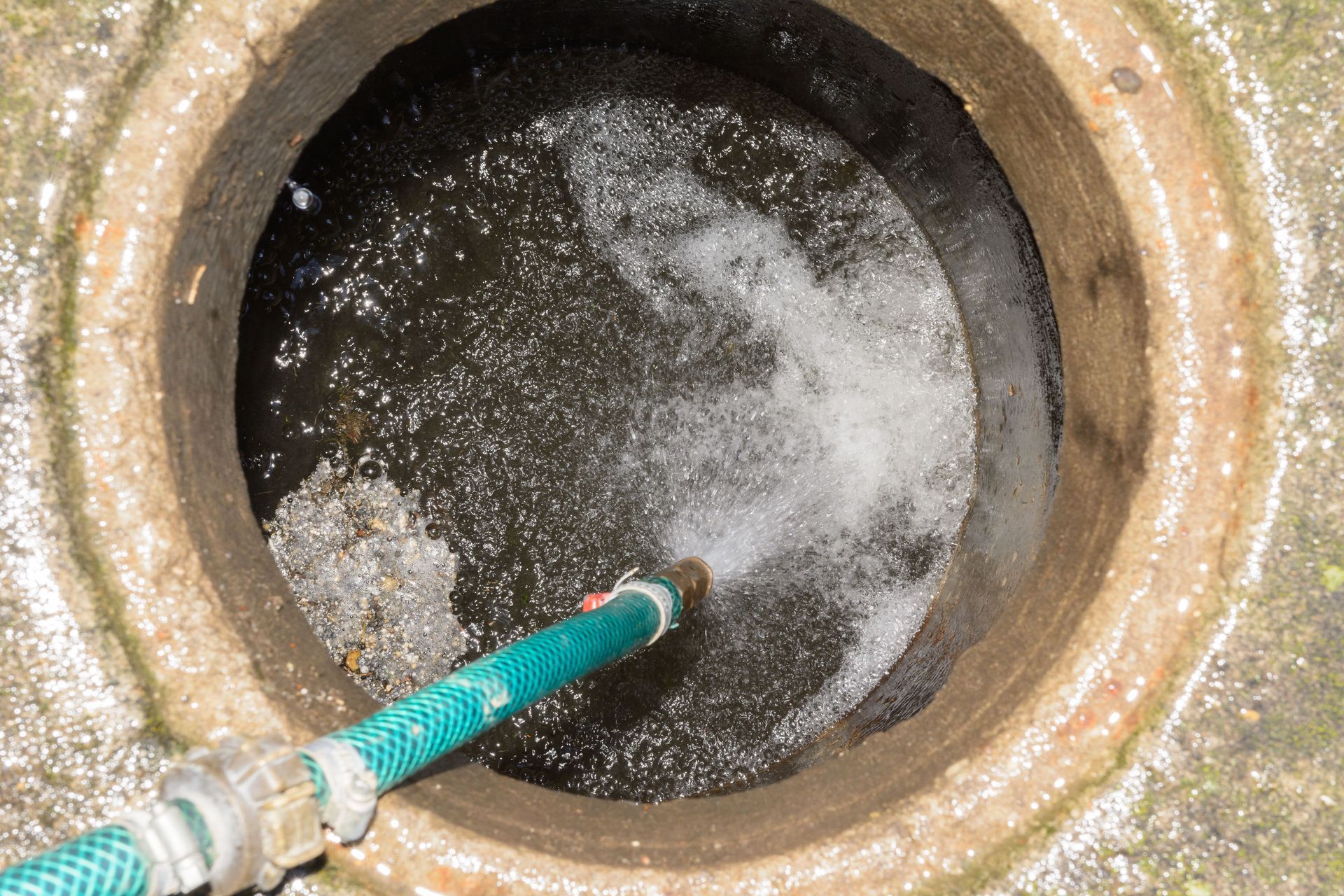
Maintenance programs help improve water quality by ensuring drainage infrastructure functions as intended. Catch basins and related systems are designed to capture sediment and debris before contaminants spread throughout larger water networks. However, these systems only remain effective when they are cleaned, repaired, and inspected regularly.
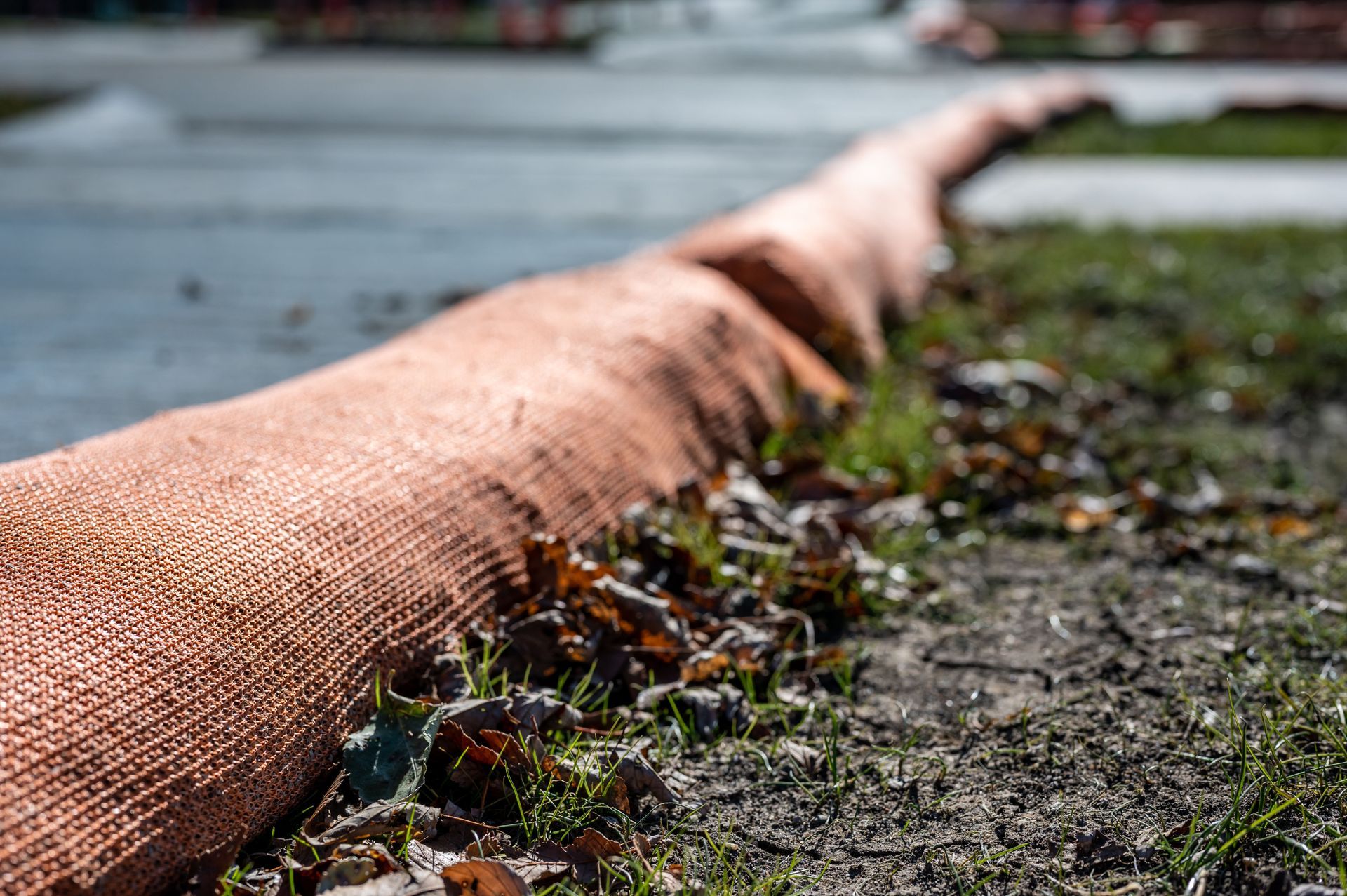
Erosion control measures also contribute to environmental protection. Poor drainage conditions can wash away soil, destabilize landscapes, and increase sediment runoff into local waterways. Stabilizing vulnerable areas and maintaining proper runoff flow patterns help preserve surrounding environments while reducing long-term property damage. These efforts support healthier ecosystems and improve the sustainability of developed spaces.
Meeting Regulatory Requirements and Inspection Standards
Stormwater regulations continue to affect commercial properties, industrial facilities, municipalities, and construction sites throughout many regions. Property owners are often responsible for maintaining compliance with inspection schedules, documentation requirements, and operational standards related to drainage infrastructure. Failing to meet these obligations can result in penalties, project delays, and increased liability exposure.
Navigating these requirements can become challenging without professional guidance. Stormwater maintenance services often assist clients by conducting inspections, documenting system conditions, and helping manage required paperwork associated with local and state regulations. This support allows property owners to maintain compliance while focusing on broader operational responsibilities.
Compliance efforts also encourage more consistent system oversight. Regular inspections help identify developing issues before they escalate into major failures or environmental violations. In many cases, maintaining documentation and repair records demonstrates responsible property management while helping reduce the risk of future disputes or enforcement actions.
How Professional Maintenance Supports Long-Term Performance
Identifying Structural Problems Before They Escalate
Drainage system failures often begin with relatively minor structural issues that worsen over time. Small cracks, joint separations, blockages, and localized deterioration can eventually compromise larger portions of the system if repairs are delayed. Professional inspections help uncover these concerns before they develop into emergencies.
Stormwater infrastructure often operates below ground, making it difficult for property owners to recognize warning signs without specialized assessments. Water pooling, recurring flooding, pavement settlement, and unusual erosion patterns may indicate hidden system defects requiring attention. Experienced stormwater maintenance services evaluate these conditions comprehensively to determine the underlying cause of performance issues.
Early detection also improves repair planning and budgeting. Addressing isolated defects promptly is typically less disruptive and less expensive than responding to widespread system failure later. Preventive maintenance strategies allow property owners to prioritize repairs strategically while maintaining operational continuity across the site.
Improving Operational Efficiency During Severe Weather
Drainage systems experience their greatest stress during periods of intense rainfall. Systems that receive inconsistent maintenance often struggle to handle sudden runoff increases because debris, sediment, or structural deterioration restricts water flow. Preventative care improves operational reliability when severe weather conditions place the highest demands on infrastructure.
Clean catch basins, properly functioning pipes, and unobstructed drainage pathways help move water away from developed areas more efficiently. This reduces the likelihood of roadway flooding, standing water accumulation, and property damage during storms. Maintaining operational capacity becomes especially important for commercial properties, transportation corridors, and high-traffic public areas where flooding can disrupt daily activity.
Preparedness also plays a role in reducing emergency response costs. Properties with well-maintained systems are often better positioned to manage heavy rainfall without requiring extensive cleanup or emergency repairs afterward. As such, long-term planning for stormwater maintenance services supports both operational resilience and financial stability.
Modern infrastructure relies heavily on systems that control, redirect, and manage water effectively. When drainage networks are neglected, the resulting damage can affect transportation systems, commercial operations, environmental health, and public safety. Preventative care helps reduce these risks while supporting the long-term stability of both private and public infrastructure.
As communities continue to grow and weather conditions remain unpredictable, stormwater maintenance services become increasingly important. Property owners who prioritize inspections, repairs, compliance support, and erosion control place themselves in a stronger position to protect their investments and avoid unnecessary disruptions. With consistent oversight and professional support, stormwater systems can continue operating efficiently while helping communities remain safer, cleaner, and more resilient over time. Reach out to VioStorm Solutions LLC for a stormwater maintenance service you can count on!