May 5, 2026
Understanding the components and processes involved in a stormwater inspection is crucial for maintaining infrastructure, preventing flooding, and ensuring environmental protection. A stormwater inspection helps identify potential issues early, which supports long-term system dependability and reduces the risk of costly failures. This process is a core part of responsible infrastructure management in both urban and rural environments. According to America's Infrastructure Report Card, there are over 3 million miles of storm sewers in the U.S.
Component Systems of Stormwater Systems
Inspect Pipes and Culverts
Pipes and culverts form the backbone of stormwater systems, facilitating the swift and efficient transport of water away from urban and rural areas. A stormwater inspection of these components focuses on identifying blockages, leaks, and structural damage that could disrupt flow. These conduits vary in size and material, allowing them to function across different environmental conditions. With extensive infrastructure networks in place, maintaining these systems is essential for overall performance and safety.
Inspect Inlets and Catch Basins
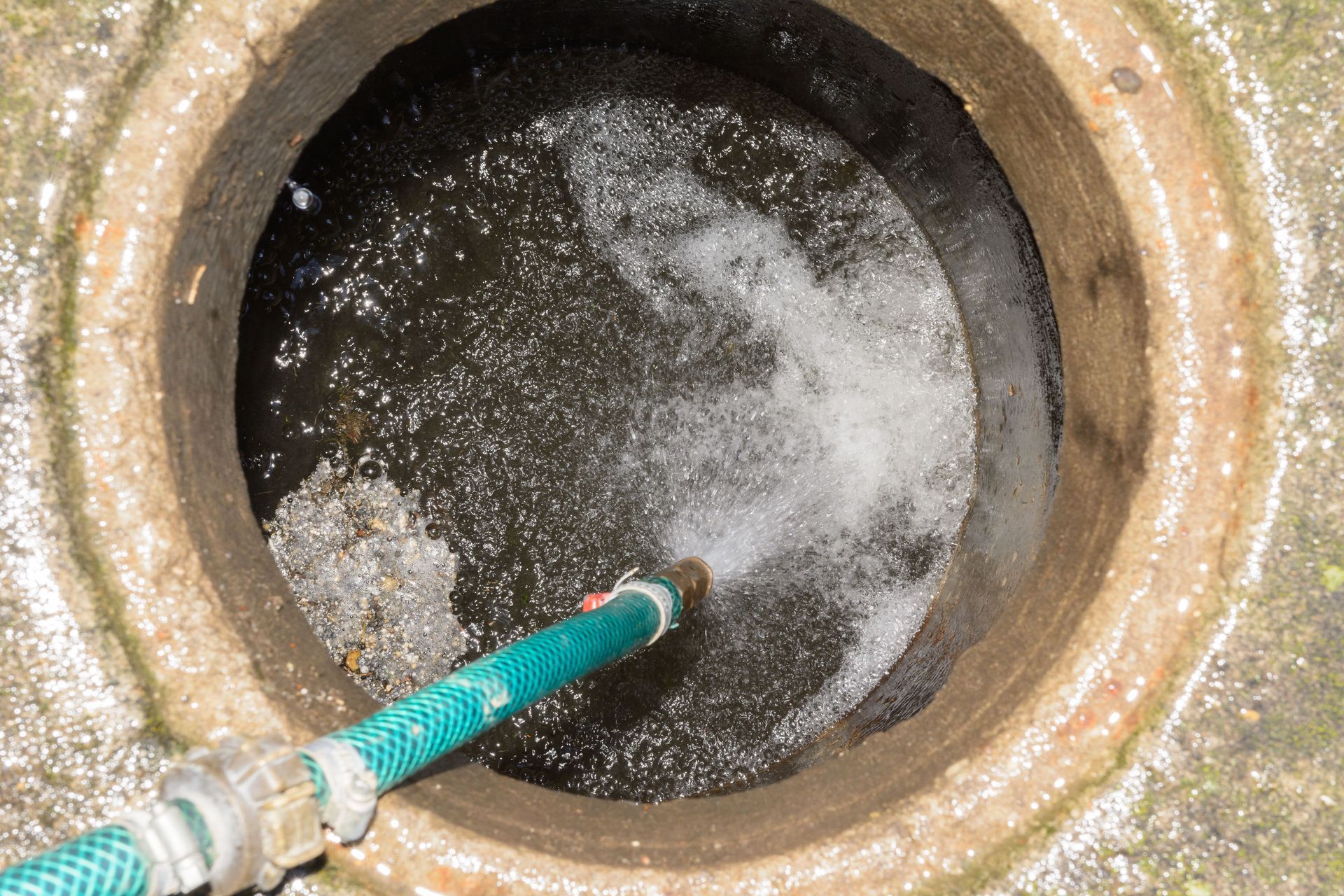
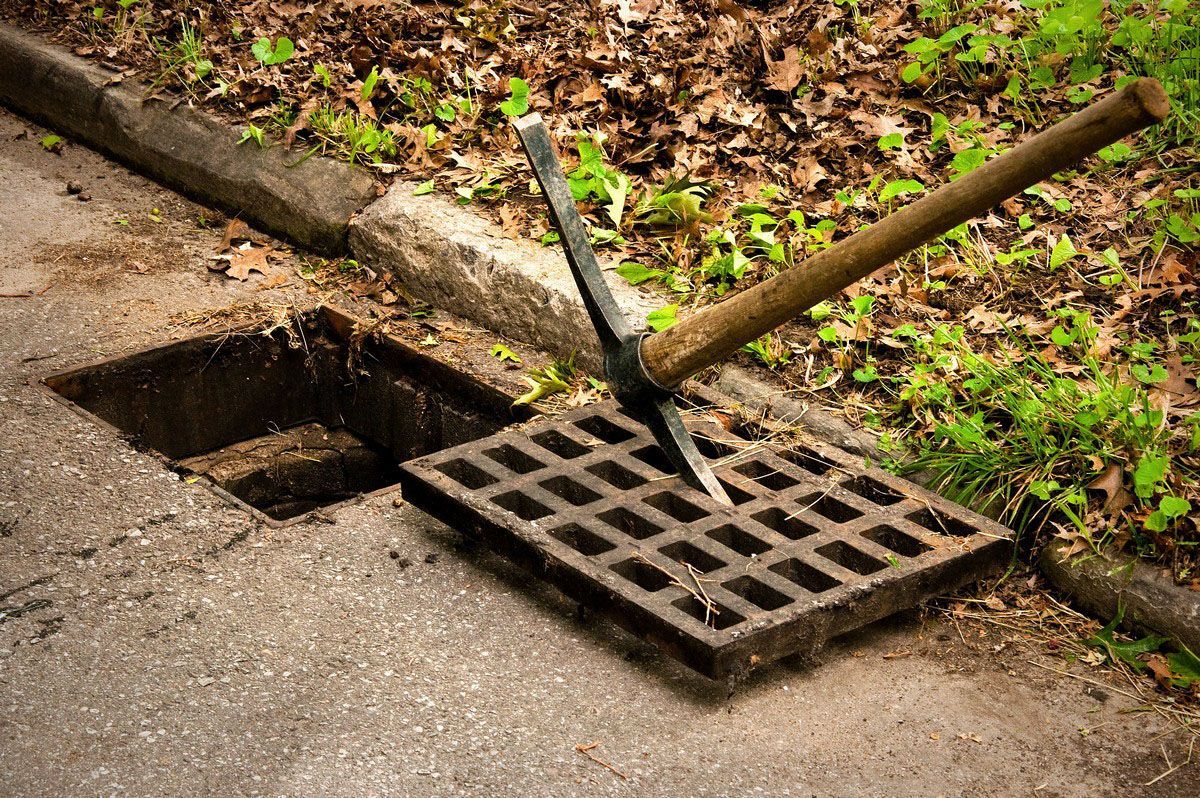
Inlets and catch basins serve as entry points for stormwater systems, capturing runoff from surrounding surfaces. During a stormwater inspection, these structures are evaluated for sediment buildup and debris that may restrict water flow. Keeping these components clear helps ensure that water is efficiently directed into underground systems. Regular maintenance supports consistent performance during heavy rainfall events.
Inspect Detention and Retention Ponds
Detention and retention ponds help manage excess stormwater by temporarily storing runoff and controlling its release. These systems reduce erosion and support more balanced water flow into surrounding environments. Inspections focus on sediment levels, vegetation health, and structural conditions that may affect performance. Proper upkeep ensures these systems continue functioning as designed.
Inspect Outfalls and Discharge Points
Outfalls and discharge points release stormwater into natural water bodies such as rivers or lakes. These areas are monitored during a stormwater inspection to ensure they remain clear and structurally sound. Blockages or erosion at these points can impact water flow and overall system efficiency. Maintaining these areas supports responsible water management practices.
Inspect Swales
All in all, these sloped channels are designed to slow and filter stormwater using natural vegetation and soil. These systems reduce pollutants while promoting groundwater recharge. Inspections evaluate soil condition, vegetation health, and drainage effectiveness. Maintaining these features helps support environmentally conscious stormwater management.
Documentation Systems of Stormwater Systems
Review Design Plans and As-Builts
Design plans and as-built documents provide the foundation for understanding how a stormwater system was intended to function. A stormwater inspection compares these documents to current site conditions to identify inconsistencies. This process helps ensure systems are operating as designed and highlights areas that may require attention. Accurate documentation supports effective evaluation and planning.
Review Historical Inspection Reports
Historical inspection reports offer insight into previous system performance and maintenance activities. Reviewing these records during a stormwater inspection helps identify recurring issues and long-term trends. This information supports better decision-making and prioritization of maintenance tasks. It also helps establish a clearer picture of system evolution over time.
Capture Visual Records: Photos and Videos
Photos and videos provide visual documentation of system conditions during inspections. These records help capture structural issues, debris accumulation, and overall system performance. A stormwater inspection benefits from this documentation by allowing for accurate comparisons over time. Visual records also support reporting and maintenance planning.
Identify Potential Challenges
Identifying potential challenges is a key part of maintaining effective stormwater systems. A stormwater inspection evaluates environmental conditions, system layout, and surrounding infrastructure to identify risks. Early detection of issues supports proactive maintenance and reduces the likelihood of system failure. This approach improves long-term dependability and performance.
Inspection Techniques of Stormwater Systems
Conduct Visual and Manual Inspections
Visual and manual inspections are fundamental to evaluating stormwater systems. Inspectors assess accessible components such as basins, inlets, and exposed piping for signs of wear or damage. A stormwater inspection using these methods provides immediate insight into system condition. These evaluations support timely maintenance and repairs.
Apply Diagnostic Inspection Methods
Diagnostic methods are used during a stormwater inspection to assess underground and surface system conditions. These approaches help identify blockages, structural concerns, and performance issues. They allow inspectors to locate problem areas with minimal disruption. This supports efficient maintenance planning and corrective action.
Evaluate System Flow and Performance
Evaluating system flow is essential during a stormwater inspection to ensure proper drainage. Inspectors observe how water moves through the system and identify areas of slow or restricted flow. These evaluations help determine whether the system is functioning as intended. Improving flow performance reduces the risk of flooding and system strain.
Structural Integrity of Stormwater Systems
Identify Cracks and Deformations
Structural inspections focus on identifying cracks and deformations that may affect system performance. A stormwater inspection helps detect these issues early before they worsen. These conditions may indicate stress, aging, or external pressure on system components. Early detection supports timely repairs and system longevity.
Evaluate Corrosion Levels
Corrosion can weaken stormwater infrastructure over time. During a stormwater inspection, inspectors evaluate corrosion levels to determine material condition. This helps guide maintenance decisions and replacement planning. Managing corrosion is essential for long-term system durability.
Assess Material Durability and Aging
Materials used in stormwater systems naturally degrade over time due to environmental exposure. A stormwater inspection assesses signs of aging such as wear, brittleness, or weakening structures. Understanding material condition helps prevent unexpected system failures. This supports proactive maintenance strategies.
System Performance of Stormwater Systems
Analyze Flow Capacity
Overall, flow capacity analysis determines whether a system can handle expected stormwater volumes. A stormwater inspection evaluates how effectively water moves through pipes and drainage structures. This helps identify bottlenecks or limitations in system performance. Ensuring adequate capacity reduces flooding risks during heavy rainfall.
Identify Drainage Inefficiencies
Inspections help identify areas where stormwater systems may not be draining effectively. This includes detecting slow drainage, backups, or uneven water distribution. Addressing these inefficiencies helps improve overall system performance and dependability during heavy rainfall.
Remove Clog and Debris Buildup
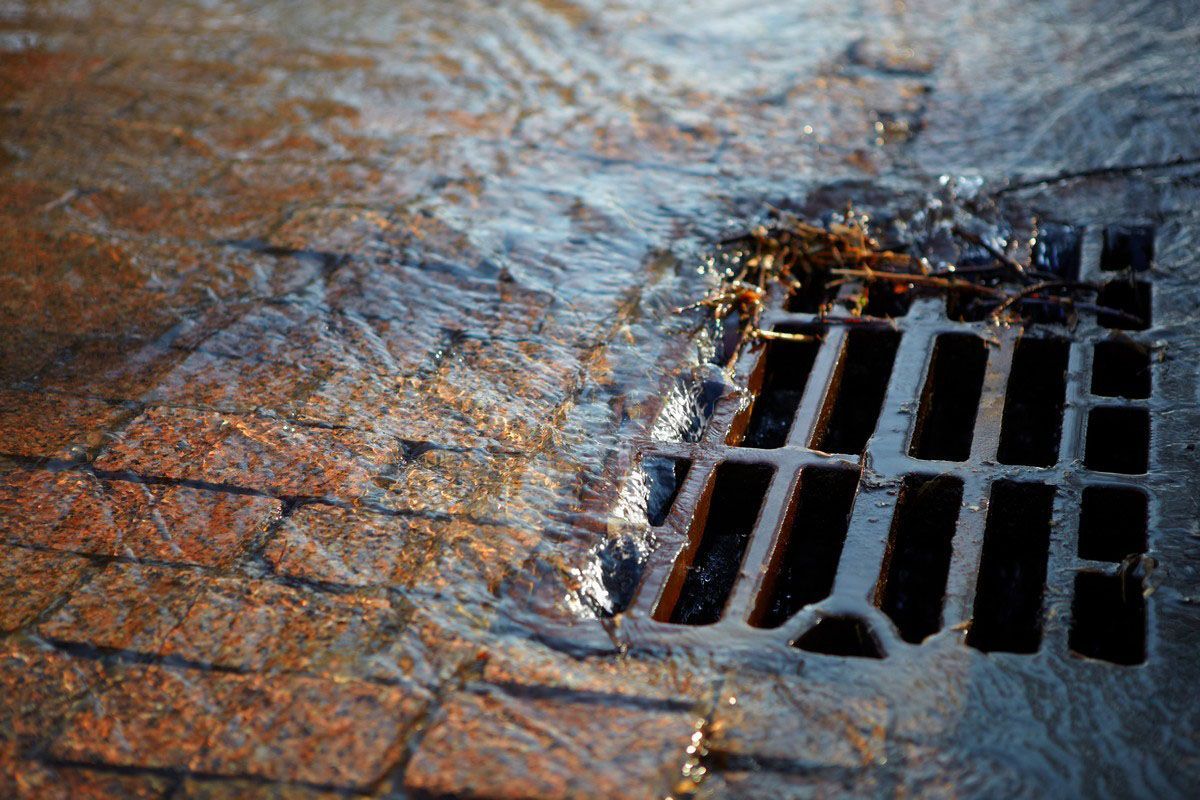
Stormwater systems must remain clear of debris to function properly. A stormwater inspection identifies buildup in key areas, such as inlets and pipes. Removing blockages helps maintain consistent flow throughout the system. This reduces the risk of backups and operational issues.
Environmental Compliance of Stormwater Systems
Perform Regulatory Compliance Checks
Stormwater systems must meet regulatory requirements to ensure safe and responsible operation. A stormwater inspection verifies compliance with applicable guidelines and standards. This helps maintain environmental protection and system accountability. Compliance checks support proper system management practices.
Monitor Pollutant Buildup
Stormwater inspections include monitoring sediment and pollutant buildup within the system. Excess accumulation can reduce efficiency and impact downstream conditions. Regular monitoring helps ensure timely cleaning and maintenance. This supports both system performance and environmental responsibility.
Evaluate Impact on Local Conditions
Stormwater systems can influence surrounding environmental conditions. A stormwater inspection evaluates factors such as runoff patterns and erosion. Understanding these impacts helps guide maintenance decisions and system improvements, while supporting balanced and effective stormwater management.
Stormwater inspections play a key role in maintaining dependable infrastructure, managing runoff, and reducing the risk of system failures. By evaluating system components, structural conditions, and overall performance, these inspections support informed maintenance decisions. This ongoing process helps ensure drainage systems continue operating efficiently over time. To learn more about stormwater inspection, maintenance, and repair solutions, VioStorm Solutions LLC provides services designed to support long-term system performance and regulatory compliance.