March 19, 2026
Stormwater systems are essential for directing rainwater away from streets, parking lots, and buildings. These systems are designed to collect runoff and move it safely through drains, pipes, and retention areas so that properties do not experience flooding or erosion. When stormwater infrastructure is not properly maintained, however, small issues can quickly lead to major drainage problems.
Because much of a stormwater system is located underground, problems are not always obvious at first glance. According to America's Infrastructure Report Card, there are over 270 million storm drains in the US, which shows just how extensive these systems are across communities. Understanding the warning signs that indicate you may need local stormwater maintenance can help property owners prevent flooding, property damage, and costly repairs.
Standing Water Around Storm Drains
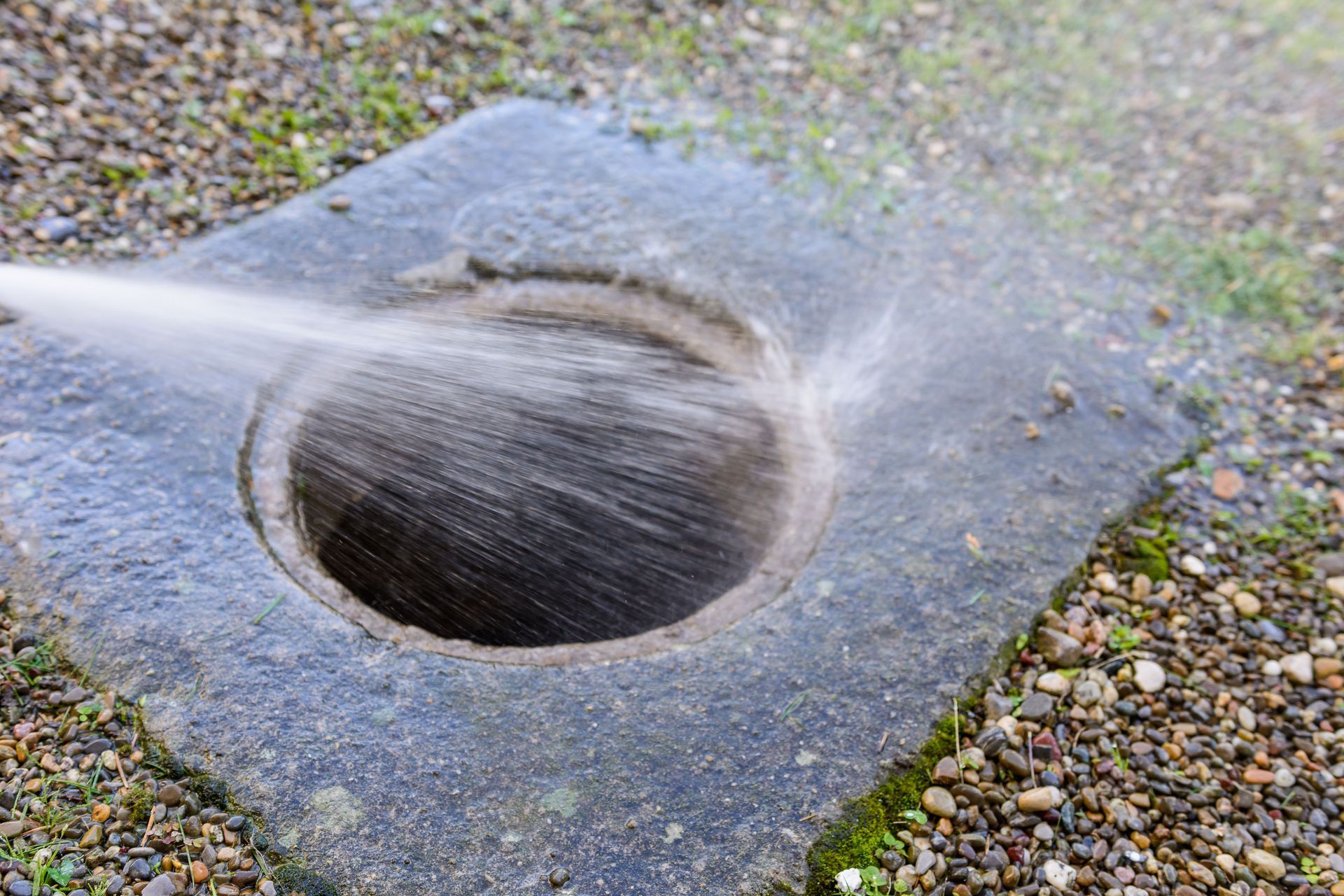
One of the most common signs that a stormwater system needs attention is standing water around storm drains or catch basins. When drains become clogged with leaves, sediment, or trash, water cannot flow through the system properly. Instead, rainwater begins to collect on the surface near the drain opening.
If standing water remains long after rainfall has ended, the drain may be blocked or partially obstructed. Professional local stormwater maintenance services can remove debris and restore proper drainage. Addressing this issue quickly helps prevent flooding and improves the overall efficiency of the system.
Frequent Flooding After Heavy Rain
Flooding that occurs repeatedly during rainstorms often indicates a stormwater system that is not functioning at full capacity. When pipes, basins, or drains become clogged, water may have nowhere to go during periods of heavy rainfall. This can lead to water accumulation on streets, parking lots, or landscaped areas.
Regular flooding can create safety concerns and may damage nearby structures or pavement. Local stormwater maintenance professionals can inspect the drainage system and identify the cause of the flooding. Proper cleaning and repairs can help restore the system’s ability to handle stormwater effectively.
Sediment Accumulating in Catch Basins
Catch basins are designed to trap sediment before it travels deeper into the stormwater system. Over time, however, sediment can build up within these structures and reduce their capacity to manage runoff. When sediment levels become too high, water may not be able to enter the drainage system efficiently.
Visible sediment buildup is a clear indication that maintenance is needed. Local stormwater maintenance services can remove accumulated material and restore the basin’s capacity. Keeping catch basins clean ensures that stormwater systems continue functioning properly during storms.
Strong Odors Near Drainage Areas
Stormwater systems are designed to move rainwater, but organic debris such as leaves and dirt can sometimes accumulate within drains. When this debris begins to break down, it can produce unpleasant odors near drainage structures. These smells may indicate stagnant water or buildup within the system.
Odors can also signal that water is not flowing through the drainage network as intended. Professional local stormwater maintenance can help identify and remove debris that may be causing the problem. Cleaning the system helps restore proper water movement and eliminates unpleasant smells.
Erosion Around Drainage Structures
Erosion near stormwater structures often indicates that water is flowing too quickly or escaping from its intended path. When drainage components are damaged or blocked, runoff may move across soil surfaces and wash away surrounding material. This can destabilize landscaping and damage nearby infrastructure.
Addressing erosion quickly is important to prevent larger problems from developing. Local stormwater maintenance professionals can evaluate the drainage system and determine how water flow can be redirected or controlled. Proper maintenance helps protect both the landscape and the drainage infrastructure.
Blocked or Damaged Drain Grates
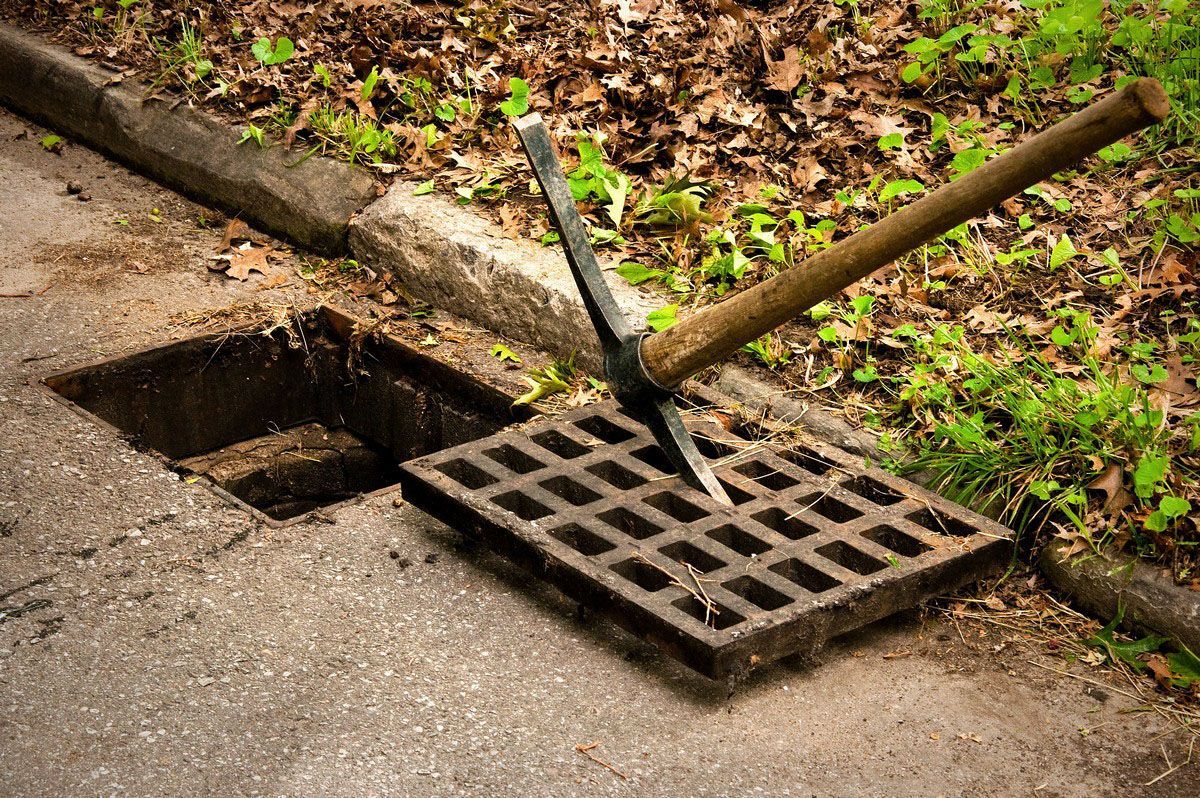
Storm drain grates allow water to enter the drainage system while preventing large debris from flowing inside. Over time, these grates can become clogged with leaves, trash, or other materials that block water from entering the drain. When this happens, water may collect around the drain opening.
Damaged grates can also create safety hazards for pedestrians and vehicles. Regular inspections and local stormwater maintenance help ensure that grates remain clear and structurally sound. Keeping these entry points in good condition supports efficient stormwater management.
Overgrown Vegetation Around Stormwater Areas
Vegetation can sometimes grow excessively around stormwater infrastructure such as drainage ditches, culverts, and retention basins. While some vegetation is beneficial for erosion control, excessive growth may block water flow or restrict access to drainage structures.
Maintaining vegetation around stormwater systems helps ensure water can move freely through channels and pipes. Local stormwater maintenance teams can trim or remove overgrown plants to keep the system functioning efficiently. Proper vegetation management helps reduce the risk of blockages and flooding.
Visible Cracks in Drainage Components
Stormwater systems include pipes, concrete basins, and other structural components that may deteriorate over time. Cracks or structural damage can allow water to leak out or prevent the system from handling runoff effectively. These issues may gradually worsen if they are not repaired.
Professional inspections can identify structural problems before they lead to major failures. Local stormwater maintenance services can repair damaged components and restore proper system function. Addressing structural damage early helps extend the lifespan of the infrastructure.
Slow Drainage After Rainstorms
Another warning sign of stormwater system problems is slow drainage after rainfall. If water remains on pavement or landscaped areas long after a storm has passed, it may indicate that pipes or basins are partially blocked. Reduced flow capacity prevents the system from draining water efficiently.
Routine cleaning and inspections can restore proper water movement through the drainage system. Local stormwater maintenance professionals can identify the source of the blockage and remove it. Ensuring efficient drainage helps reduce flooding risks and keeps properties protected.
Recurring Stormwater Problems
If drainage issues continue to occur despite occasional cleaning or minor repairs, the system may require a more comprehensive maintenance plan. Recurring problems often indicate deeper issues within pipes, basins, or other drainage components. Without proper attention, these issues can worsen over time.
Professional local stormwater maintenance providers can evaluate the entire system and develop a long-term maintenance strategy. Regular inspections and scheduled cleaning help prevent recurring issues and ensure the drainage system continues operating effectively year-round.
Debris Collecting Around Inlets or Grates
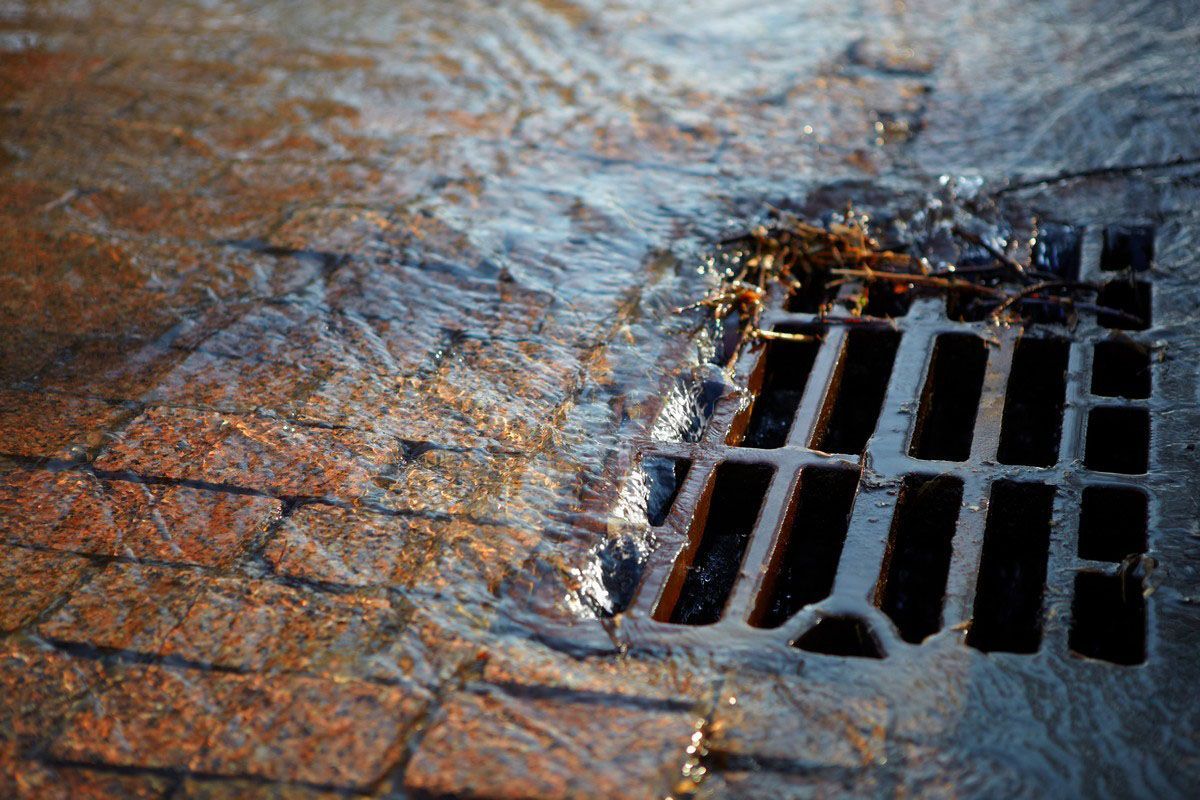
Stormwater systems rely on clear entry points to allow rainwater to flow efficiently into drains and pipes. When leaves, trash, branches, or other debris begin collecting around inlets or grates, water flow can quickly become restricted. Even a partial blockage can slow drainage and increase the risk of surface flooding during heavy rainfall.
Routine inspections and local stormwater maintenance can remove debris before it becomes a larger problem. Clearing these entry points ensures that water can move freely into the drainage system. Keeping inlets clean helps the entire stormwater system operate more efficiently during storms.
Unusual Water Flow Patterns on Pavement
Changes in how water flows across paved surfaces may signal that the stormwater system is not functioning properly. If water begins pooling in new areas or flowing in unexpected directions, it could indicate clogged drains or damaged infrastructure. These altered flow patterns can gradually lead to erosion or property damage.
Professional local stormwater maintenance services can evaluate the drainage layout and identify the cause of these changes. By restoring proper drainage pathways, technicians can prevent water from accumulating in unwanted areas. Addressing unusual flow patterns early helps protect surrounding structures and landscaping.
Stormwater systems play an important role in protecting properties from flooding and water damage. Recognizing early warning signs allows property owners to address drainage problems before they become serious. At VioStorm Solutions LLC, our team provides reliable local stormwater maintenance services designed to keep stormwater systems operating efficiently. Contact our team today to learn how we can help protect your property with professional stormwater maintenance solutions.