September 17, 2026
Managing property involves a myriad of responsibilities, but few are as critical to environmental safety and regulatory alignment as overseeing water runoff. As urban development expands and extreme weather patterns become unpredictable, the sheer volume of water flowing across impermeable surfaces presents a significant challenge for property owners. When rainfall hits pavement, it gathers speed and picks up various contaminants before flowing into nearby bodies of water. Addressing this issue requires proactive management and strict adherence to environmental regulations. Failure to adequately manage this water flow can result in severe ecological damage, structural deterioration, and hefty municipal fines. Property owners must take consistent action to ensure drainage systems function exactly as intended. By prioritizing a thorough local stormwater inspection, property managers can identify potential vulnerabilities, maintain compliance with stringent local codes, and contribute to a safer, more sustainable environment.
Understanding Stormwater Management Systems
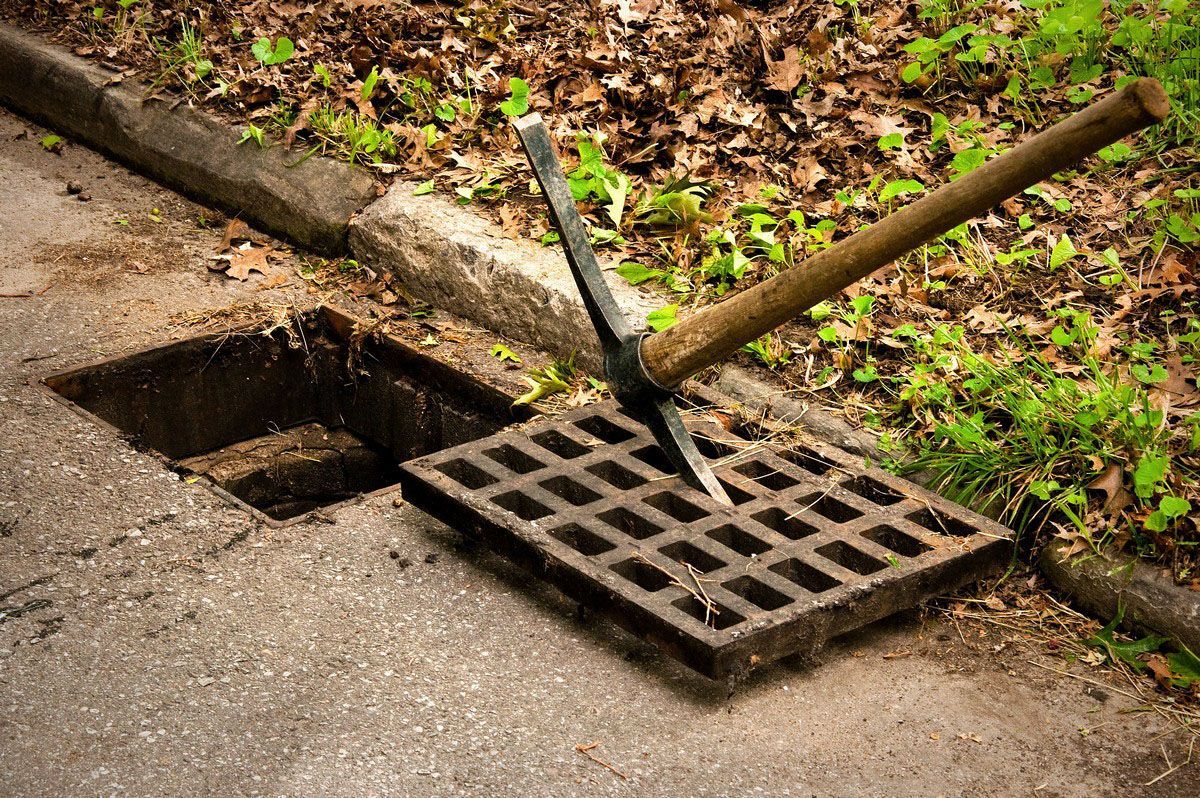
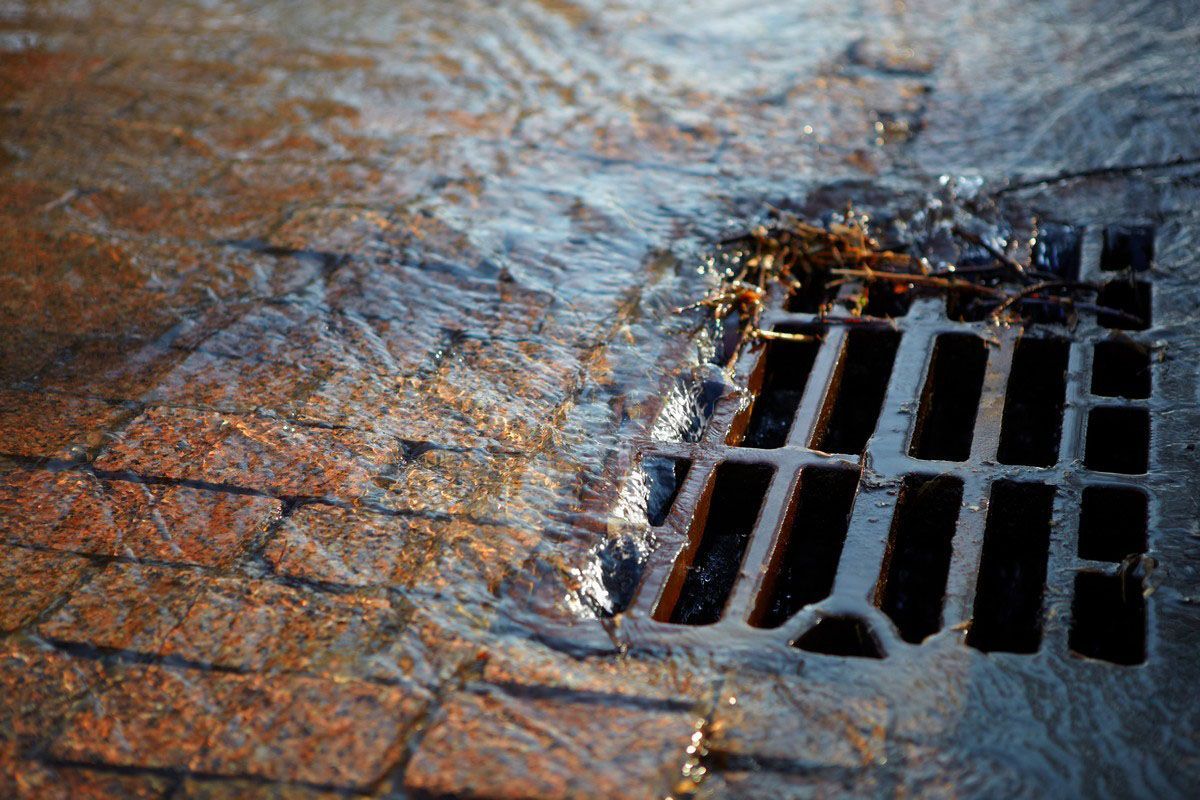
A comprehensive understanding of how drainage networks operate is the first step toward effective property management and environmental stewardship. These networks consist of catch basins, retention ponds, swales, culverts, and underground piping designed to safely channel and filter excess water during heavy rainfall. When these systems are designed correctly, they mimic the natural water cycle by allowing water to slowly percolate into the ground, reducing the immediate burden on municipal sewer infrastructure. However, these systems are not entirely self-sustaining. Leaves, sediment, debris, and everyday trash can accumulate within the grates and pipes, causing blockages that restrict water flow. When flow is restricted, localized flooding can jeopardize pedestrian safety and damage landscaping. To keep these crucial networks operating efficiently, regular oversight is essential. Scheduling a routine local stormwater inspection allows trained professionals to evaluate every component of the system. This proactive approach ensures water is captured and released according to the specifications outlined by environmental protection agencies.
Protecting Community Environmental Health
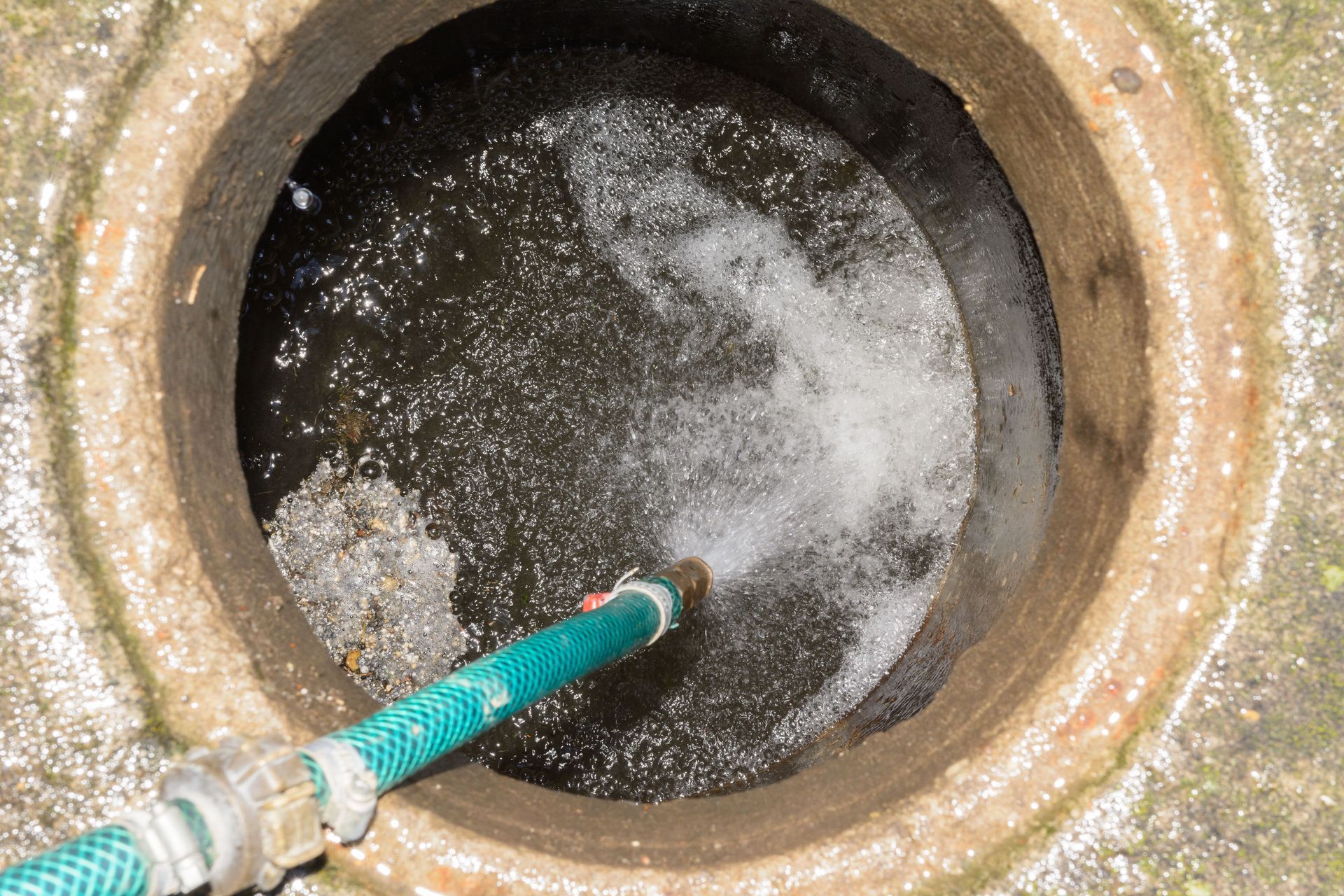
Beyond moving water away from buildings and walkways, drainage infrastructure serves as a vital defense mechanism for local ecosystems and public health. As water washes over urban landscapes, it collects motor oil, heavy metals, fertilizers, and other hazardous materials. Without proper filtration, these dangerous substances are deposited directly into rivers, lakes, and streams. The ecological impact of this contamination cannot be overstated. According to Yavapai County, polluted stormwater runoff is the number one water pollutant, underscoring why inspections and maintenance matter. When hazardous materials enter aquatic habitats, they disrupt delicate ecological balances and degrade the quality of community water sources. Property owners bear a responsibility to prevent their parcels from contributing to this environmental degradation. A comprehensive local stormwater inspection evaluates the effectiveness of onsite filtration mechanisms, ensuring sediment traps adequately capture pollutants before they escape property boundaries. By maintaining these systems, property managers play a direct role in preserving the natural safety of their communities.
Navigating Complex Property Regulations
Compliance with municipal and federal environmental regulations is an obligation that requires diligent record-keeping and proactive system management. Environmental protection agencies have established strict guidelines dictating how much runoff a property can generate and the allowable concentration of pollutants. These regulations are frequently updated, meaning property owners must stay informed about evolving legal requirements. Ignoring these mandates or failing to demonstrate active compliance can result in financial penalties, legal liabilities, and forced property closures. Municipalities often require property owners to submit detailed maintenance logs and professional evaluation reports on an annual basis. This is where a formal local stormwater inspection becomes an indispensable tool for regulatory compliance. By having a qualified expert assess the system and document its operational status, property managers can confidently submit the required paperwork to local authorities. This documentation proves the property is actively mitigating its environmental impact and adhering to all applicable zoning laws.
Preventing Expensive Infrastructure Damage
Financial prudence in property management involves anticipating potential problems and addressing them before they escalate into catastrophic failures. Drainage systems are subjected to immense physical stress during severe weather events. Over time, the constant flow of water, combined with shifting soil, can cause pipes to crack, retention pond banks to erode, and catch basins to collapse. If left unaddressed, these structural compromises can lead to massive sinkholes, foundation damage to nearby buildings, and the destruction of paved surfaces. The cost to excavate and replace collapsed underground piping exponentially exceeds the cost of routine preventative maintenance. Property owners can avoid these devastating financial surprises by maintaining a consistent schedule of evaluation and repair. Investing in a timely local stormwater inspection provides a clear picture of the system's structural integrity. Professionals can identify microscopic cracks, early signs of erosion, and minor blockages before they compound into massive engineering emergencies.
Implementing Effective Maintenance Strategies
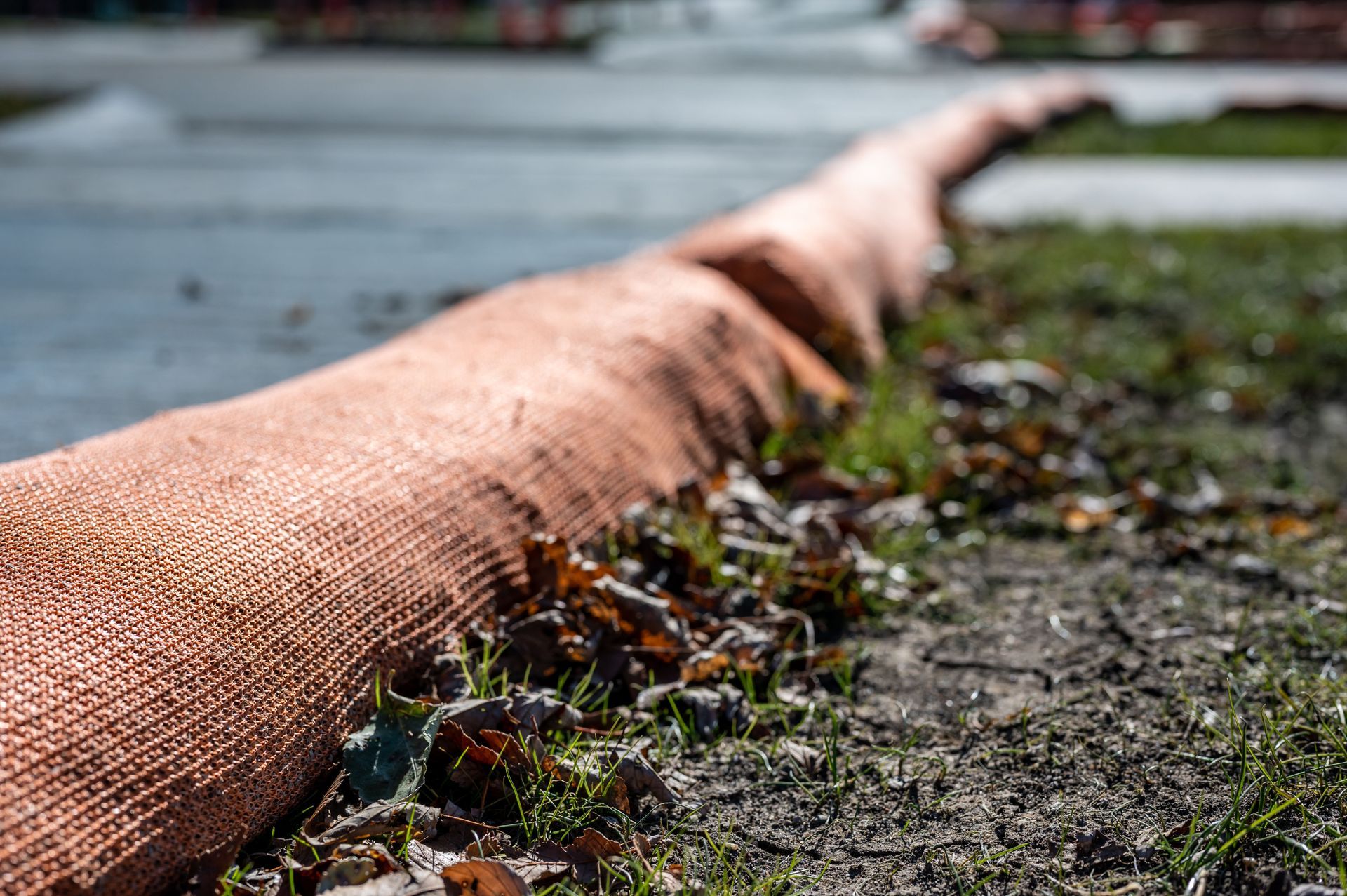
Creating a sustainable management plan requires moving beyond reactive fixes and establishing a culture of continuous preventative maintenance. A reactive approach, where problems are addressed only after flooding has occurred, is both stressful and highly inefficient. Property managers should develop comprehensive schedules that include regular debris removal, vegetation control around retention ponds, and periodic sediment dredging. Different seasons bring unique challenges; autumn leaves can clog grates, while spring thaws can overwhelm systems with excessive volume. A tailored maintenance strategy anticipates these seasonal shifts and prepares the infrastructure accordingly. The foundation of any successful maintenance strategy is accurate information regarding the system's current condition. A detailed local stormwater inspection provides the exact data needed to craft an effective maintenance schedule. The insights gained from the evaluation allow property managers to allocate their maintenance budgets effectively, directing resources toward the specific components that require the most urgent attention.
Enhancing Overall Property Value
A well-maintained property is inherently more valuable, and functional subterranean infrastructure plays a massive role in determining an asset's true market worth. When potential buyers, investors, or commercial tenants evaluate a parcel, they look closely at the hidden liabilities that might cost them money down the road. A property with a history of severe flooding or unresolved municipal code violations is viewed as a high-risk investment. Conversely, a site boasting a fully operational drainage network signals to the market that the property has been managed with the utmost care. Clean retention ponds, clear catch basins, and an absence of water damage vastly improve the physical aesthetics and operational safety of the site. Documented proof of ongoing system care is a powerful asset during real estate transactions. Providing prospective stakeholders with the results of a recent local stormwater inspection demonstrates transparency and proves that the property is fully compliant with all environmental standards.
Safeguarding a property against the destructive forces of uncontrolled water runoff requires unwavering dedication to preventative care and environmental compliance. The long-term success of any commercial or residential parcel depends heavily on the reliability of its foundational infrastructure. By embracing a proactive stance, property owners can avoid the stressful pitfalls of regulatory fines, devastating structural damage, and costly emergency excavations. Consistent oversight not only protects the immediate physical asset but also preserves the health of the surrounding community and its vital natural resources. Maintaining impeccable drainage networks is a complex responsibility that should never be left to chance or handled without professional guidance. It is always best to partner with knowledgeable experts who understand the intricacies of regional environmental codes and infrastructure maintenance. Call VioStorm Solutions LLC today to learn more about how our dedicated team can help you optimize your drainage systems and achieve complete regulatory peace of mind.